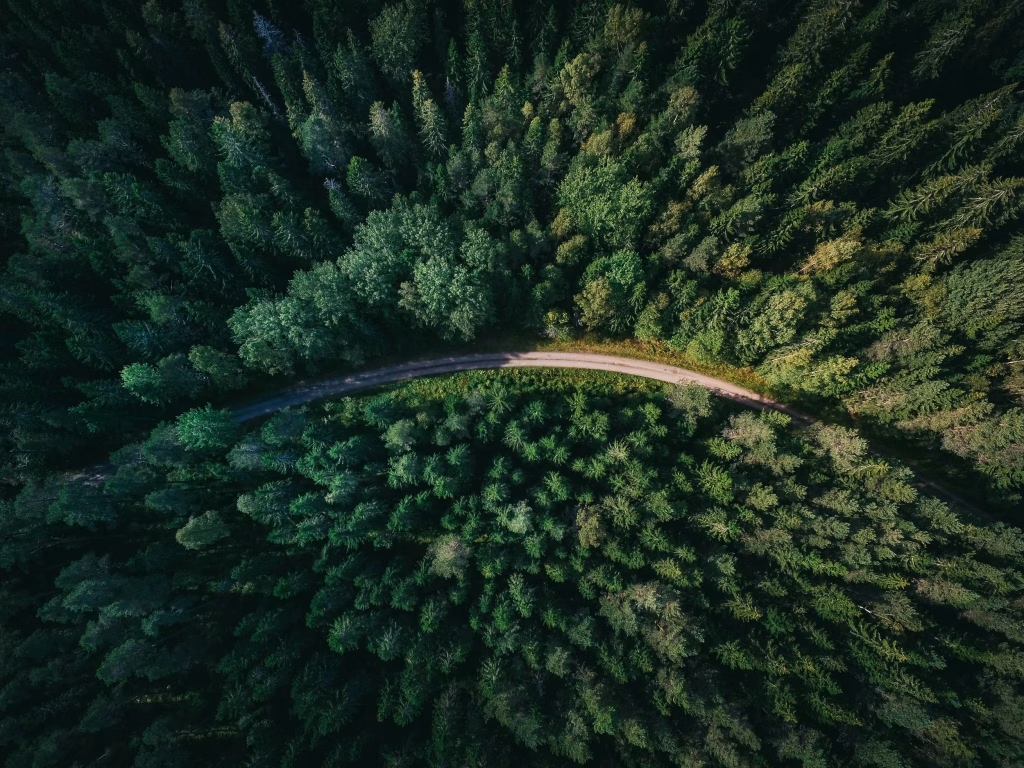
Combining passionate citizen scientists, expert ecologists and cutting-edge artificial intelligence to accurately identify and observe native wildlife.
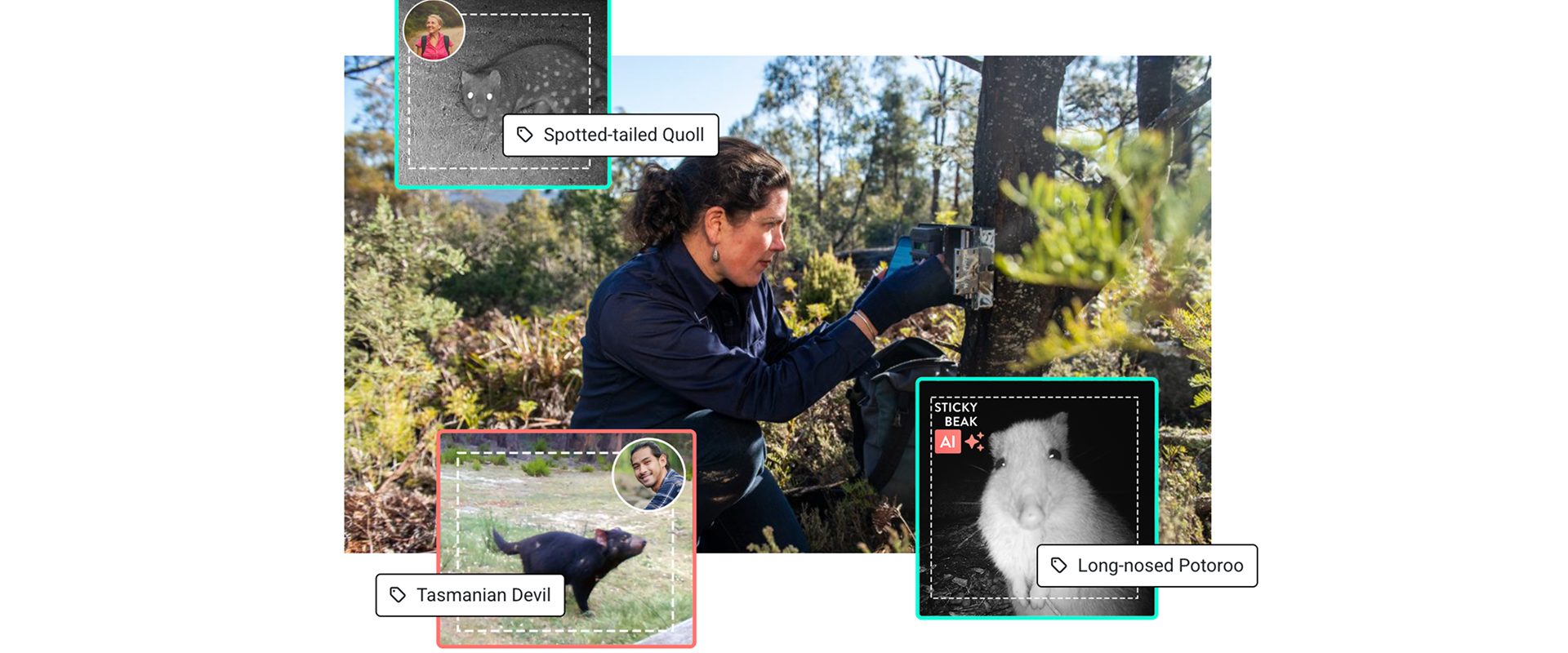
Helping scientists at the Tasmanian Land Conservancy gather data to answer important ecological questions, gain insights into how our natural environment is changing, and better protect our native species.
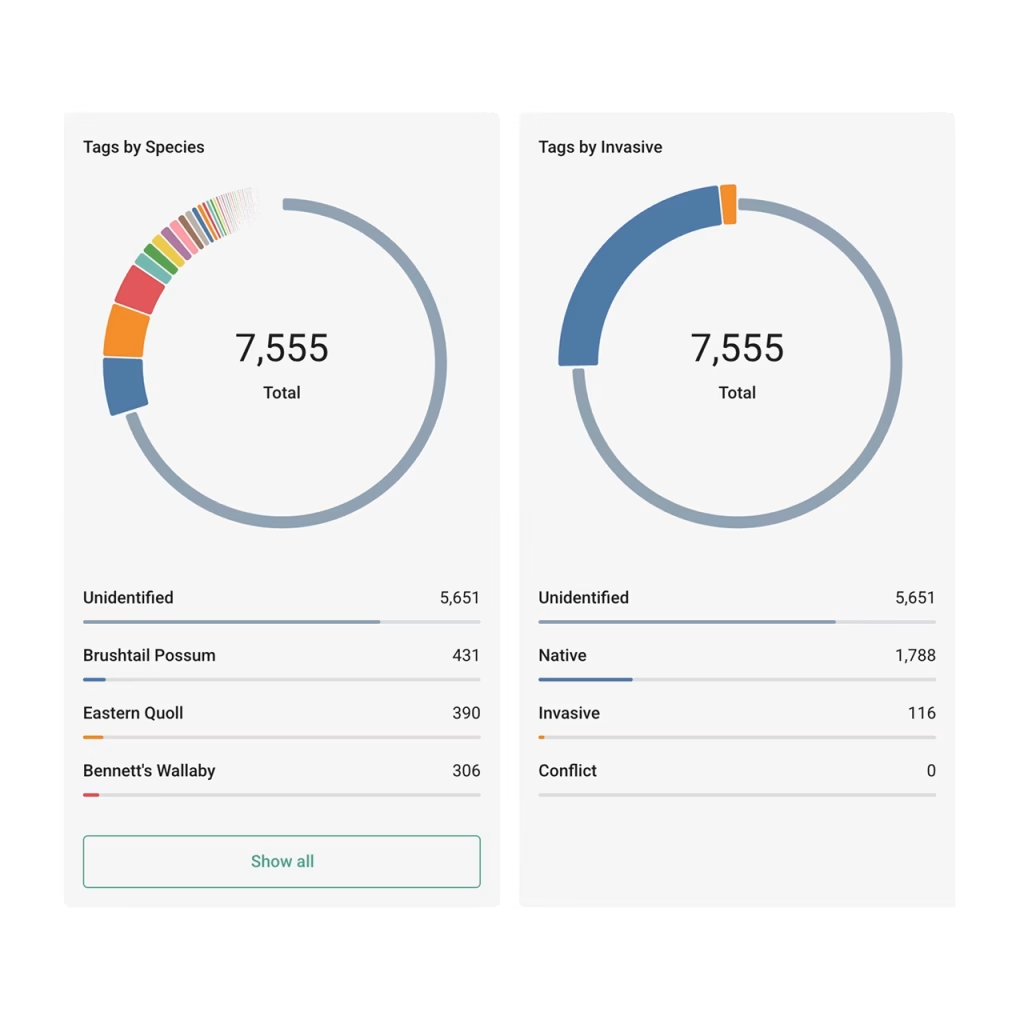
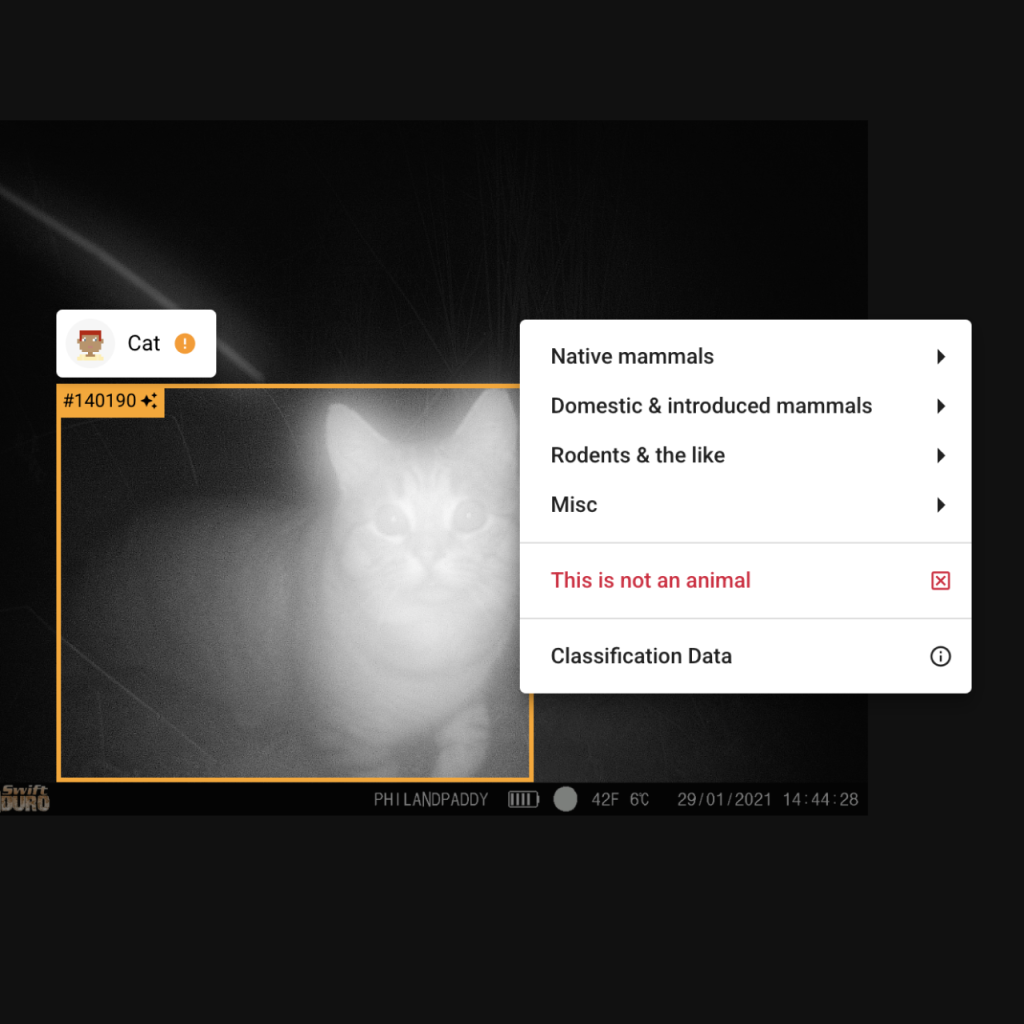
Enabling private landholders to upload, tag, and share camera trap images of Tasmania’s beautiful wildlife.
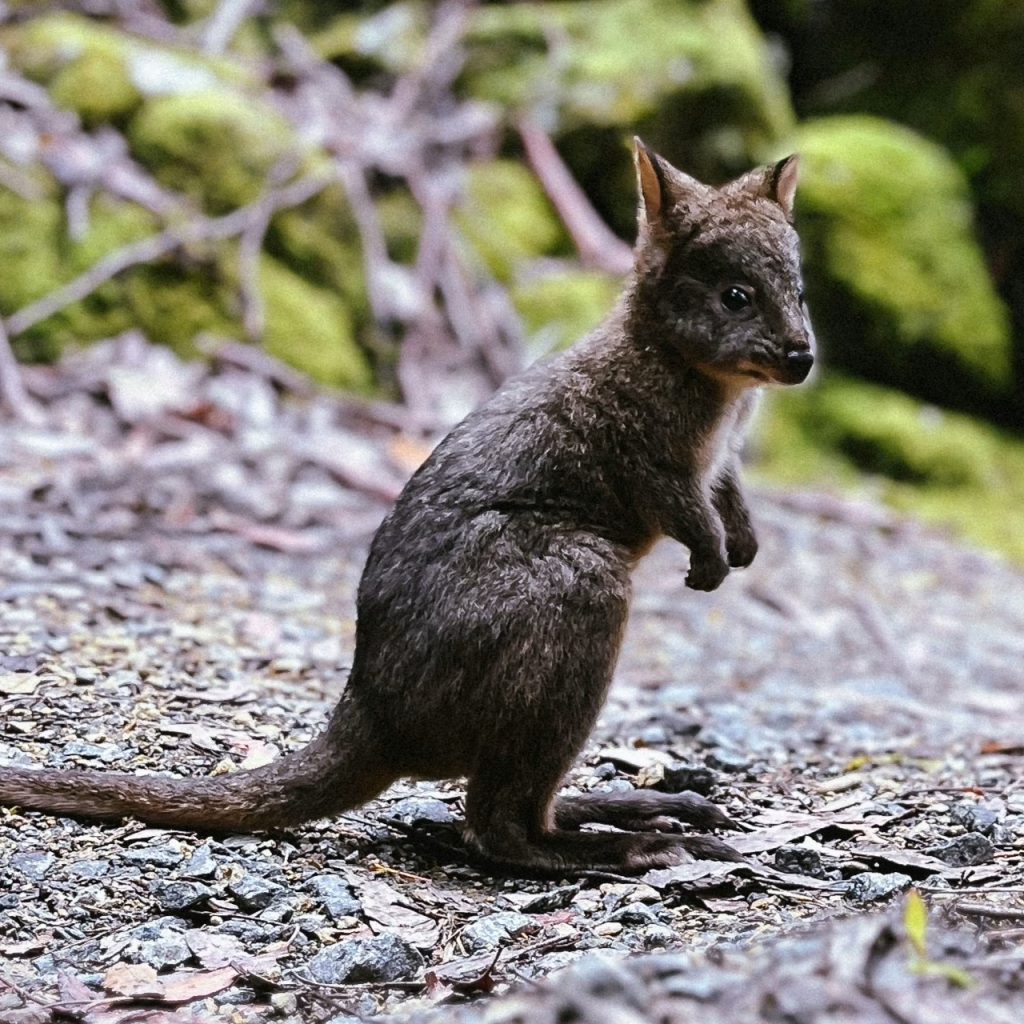
Collaboration and innovation
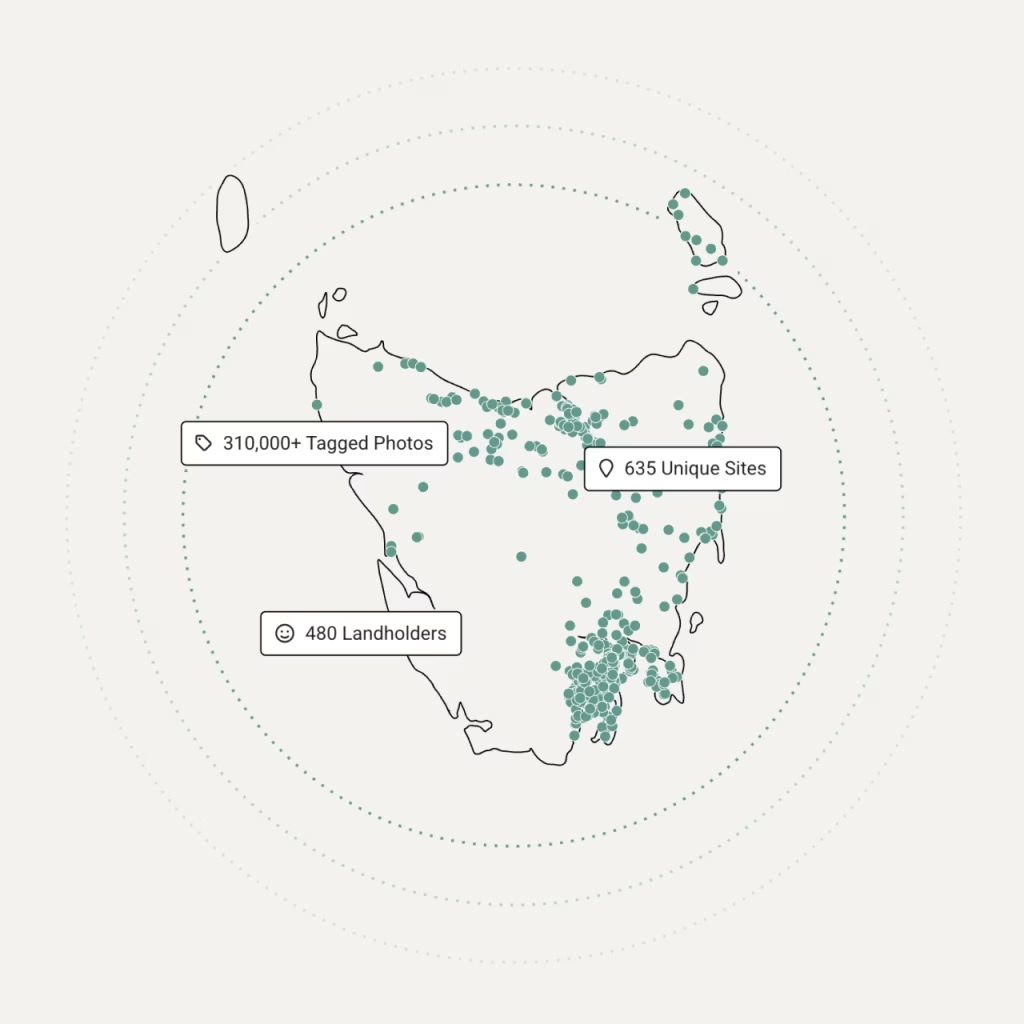
We’ve been collaborating with the Tasmanian Land Conservancy (TLC) since 2019 on WildTracker – a citizen-science program whose online platform enables private landholders to upload, tag, and share camera trap images of Tasmania’s exceptional wildlife. The program leverages the passion of private landholders – from suburban homeowners to farmers – to gather wildlife data through cameras placed on their properties across the state.
The aim is to contribute records of Tasmania’s unique wildlife to help scientists at the Tasmanian Land Conservancy answer important ecological questions, gain insights into how our natural environment is changing, and better protect our native species.
In an innovation that has saved thousands of volunteer hours, we introduced AI into the Wildtracker project, to further streamline the identification of wildlife species.
Accurate automation
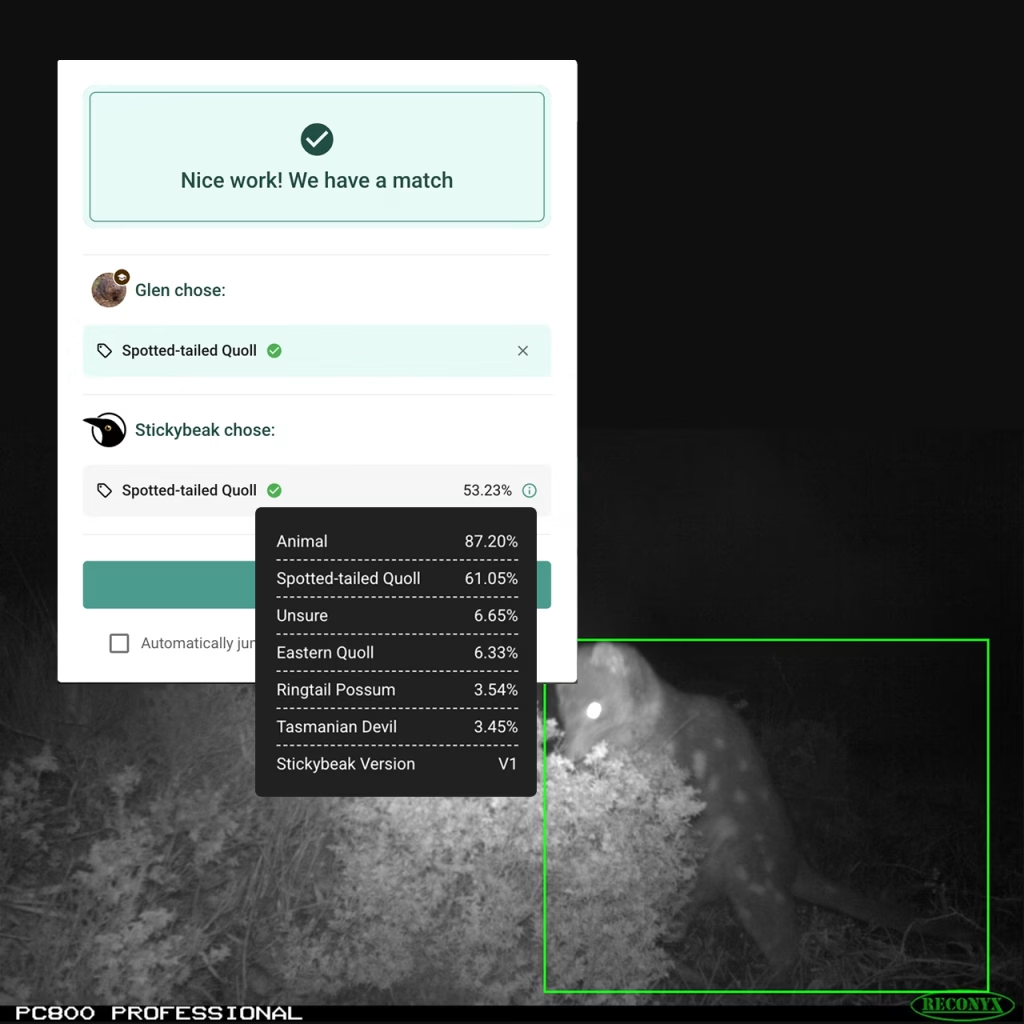
Inspired by the curious currawong, Stickybeak is WildTracker’s AI-powered tool designed to streamline wildlife monitoring.
WildTracker now has over 450 Tasmanian landholders participating, who have collectively contributed more than 700,000 images to conservation science. We’re thrilled with the stats, but it created a new challenge – efficiently processing this wealth of data.
Luckily, machine learning and AI techniques have been improving rapidly, and we’ve partnered with UTAS researcher Barry Brooks and the TLC team to build a sophisticated machine learning pipeline that’s tailored specifically to Tasmania’s unique wildlife.
Stickybeak sifts through camera trap photos – filtering out empty shots triggered by plants, shadows or humans – and helps classify the species captured.
Our AI solution has proven remarkably effective, automatically identifying around 30% of uploads as blank images. This automatic filtering has already saved an estimated 900+ hours of volunteer time. Those are precious hours our conservation community can now dedicate to analysis and action rather than wading through empty frames.
StickyBeak AI is achieving impressive accuracy rates already!
– 96% for wallabies 🦘 and native hens
– 95% for wombats, brushtail possums, and pademelons
– 91% for Tasmanian devils
Enhanced algorithms
Looking ahead, we’re excited to see the research breakthroughs that emerge from this rich new data source.
We’re also keenly tracking how the system’s species identification accuracy performs. With AI now integrated into the platform, we’re positioned to enhance species detection algorithms further. This technology-conservation partnership represents just the beginning of what’s possible when we combine passionate citizen scientists, expert ecologists, and cutting-edge AI.
Recycle Rewards